Maersk Brings Wind Power Back to the High Seas
The future of shipping may be powered by an idea that is thousands of years old: wind.
Maersk has agreed to install a 35-meter rotor sail on one of its 8,700-TEU container ships. The technology, developed by Anemoi Marine Technologies, is expected to be fitted by mid-2027 and tested during the vessel’s regular commercial operations. Unlike a traditional fabric sail, a rotor sail is a tall, rotating cylinder that uses wind to generate additional forward thrust. This allows the ship’s engines to work less, potentially reducing fuel consumption and greenhouse-gas emissions while maintaining normal operating speeds.
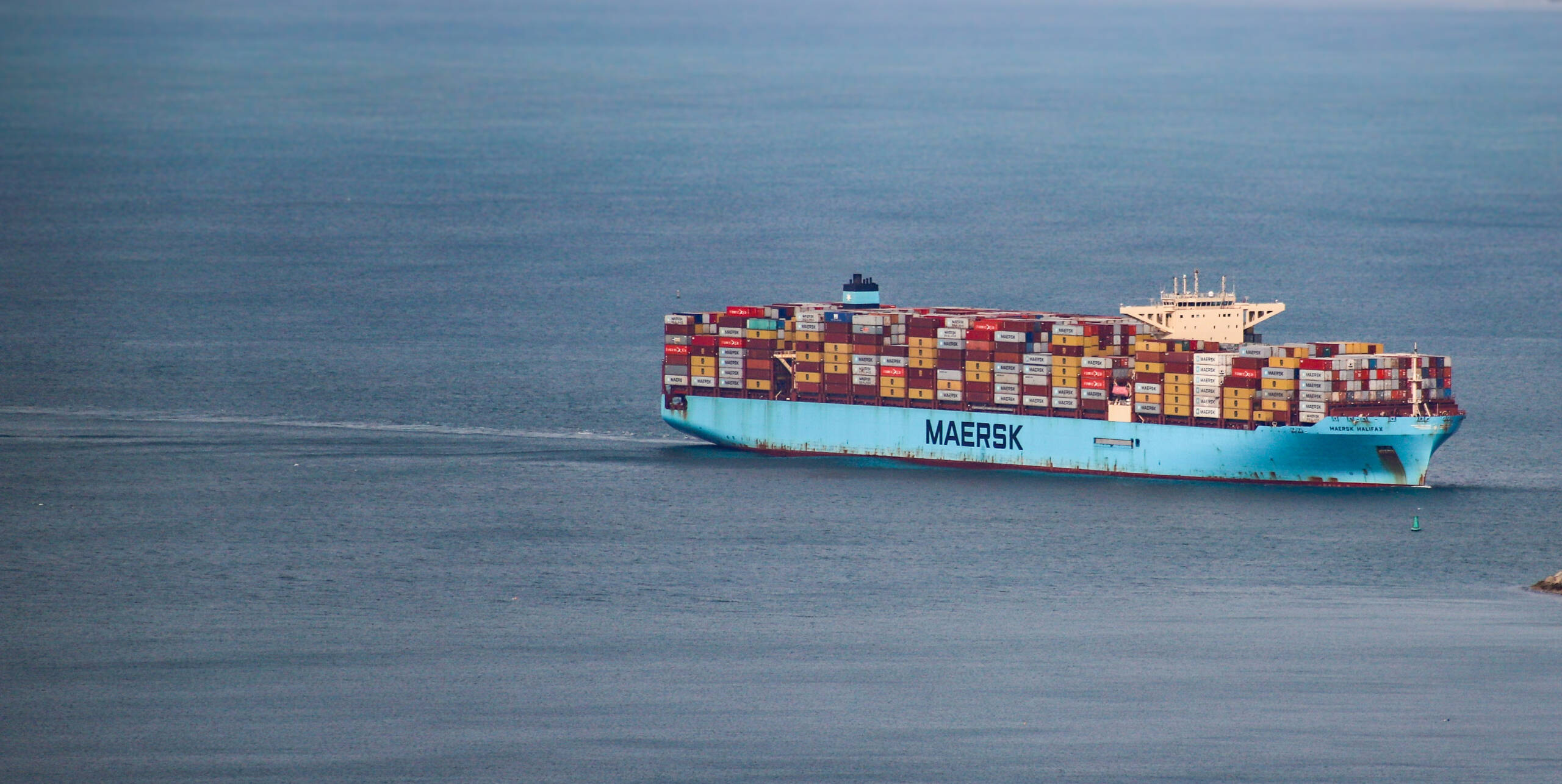
The project reflects the shipping industry’s growing interest in wind-assisted propulsion. With fuel costs rising and pressure increasing to decarbonize maritime transport, companies are exploring ways to combine modern engines with renewable energy. Rotor sails have already been tested on other commercial vessels, but container ships present a particular challenge. Their decks are crowded with stacked cargo, cranes, and other equipment, so the trial will help determine how effectively the technology can be integrated into everyday container shipping.
Wind power will not replace engines entirely, and its performance will depend on weather, route, and sailing conditions. Still, even modest fuel savings across a large fleet could produce meaningful environmental and financial benefits. Maersk’s experiment offers a glimpse of a more sustainable shipping industry—one where advanced technology and an age-old source of energy work together. The ships of the future may not sail exactly like those of the past, but they could once again rely on the wind to move global trade across the oceans.