Recent Posts
BloombergNEF Tightens Its Tier 1 Energy Storage List for Q4 2026 and Chinese Makers Rush to Announce They Kept Their Place
Every quarter BloombergNEF updates its Tier 1 list of energy storage manufacturers, and every quarter a wave of press releases follows from companies announcing they’re on it. This week brought AlphaESS, saying it made the list for the fifth quarter in a row, CNTE and, a few days earlier, HIZENERGY from Hefei. What’s different this time is that BNEF raised the bar.
What Tier 1 means The list isn’t a quality rating, and it isn’t a ranking of the best batteries.
read more
Nyquis Raises 6.3 Million Dollars to Catch Grid Faults Before They Start Wildfires and Free Up Capacity for Data Centers
Nyquis, a San Francisco startup, closed a $6.3 million seed round on November 5 to sell utilities a better look at their own power lines. Gigascale Capital and South Park Commons co-led, with Allison Pickens Ventures, Sovereign’s Capital, Pioneer Fund, Script Capital, Lost Coast Ventures and Friale joining.
The product is a box called the Nyquis Node. It installs at an existing substation in about 15 minutes, with no outage and no rewiring, and samples voltage and current thousands of times a second.
read more
TVS Orbiter Electric Scooter Brings Removable Batteries to Europe at EICMA 2026 as TVS Targets 30 Percent Overseas Revenue
TVS Motor showed the Orbiter, its entry-level electric scooter, in European form at EICMA in Milan this week. It’s a small, plain commuter. That’s the point of it.
The European version sits in the L1e class, the moped category with a 45 km/h cap, which most riders in Italy, Spain and France can use on a car licence or a basic moped permit. It comes with two NMC battery sizes, 1.
read more
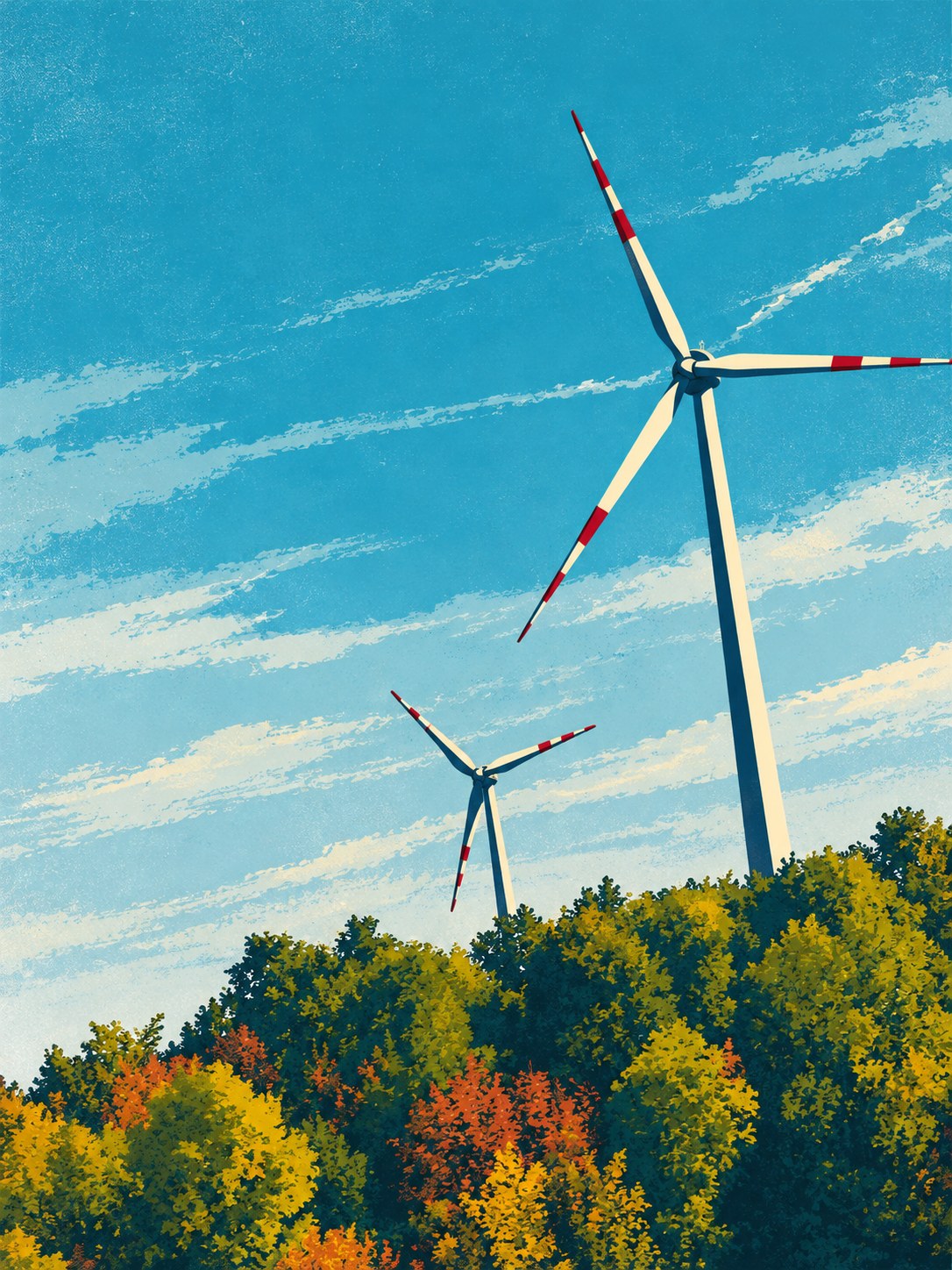
Europe Will Build More Wind Power but Grids Will Decide Its Future
Europe added 8.8 GW of wind power capacity in the first half of 2026, yet the latest industry outlook still puts the EU on course for roughly 342 GW by 2030, well below the 425 GW benchmark associated with its renewable energy ambitions. Growth is continuing. The harder question is how much of the next wave can be financed, connected and used when the electricity is available. Europe’s wind future will depend increasingly on decisions made beyond the turbine factory.
read more
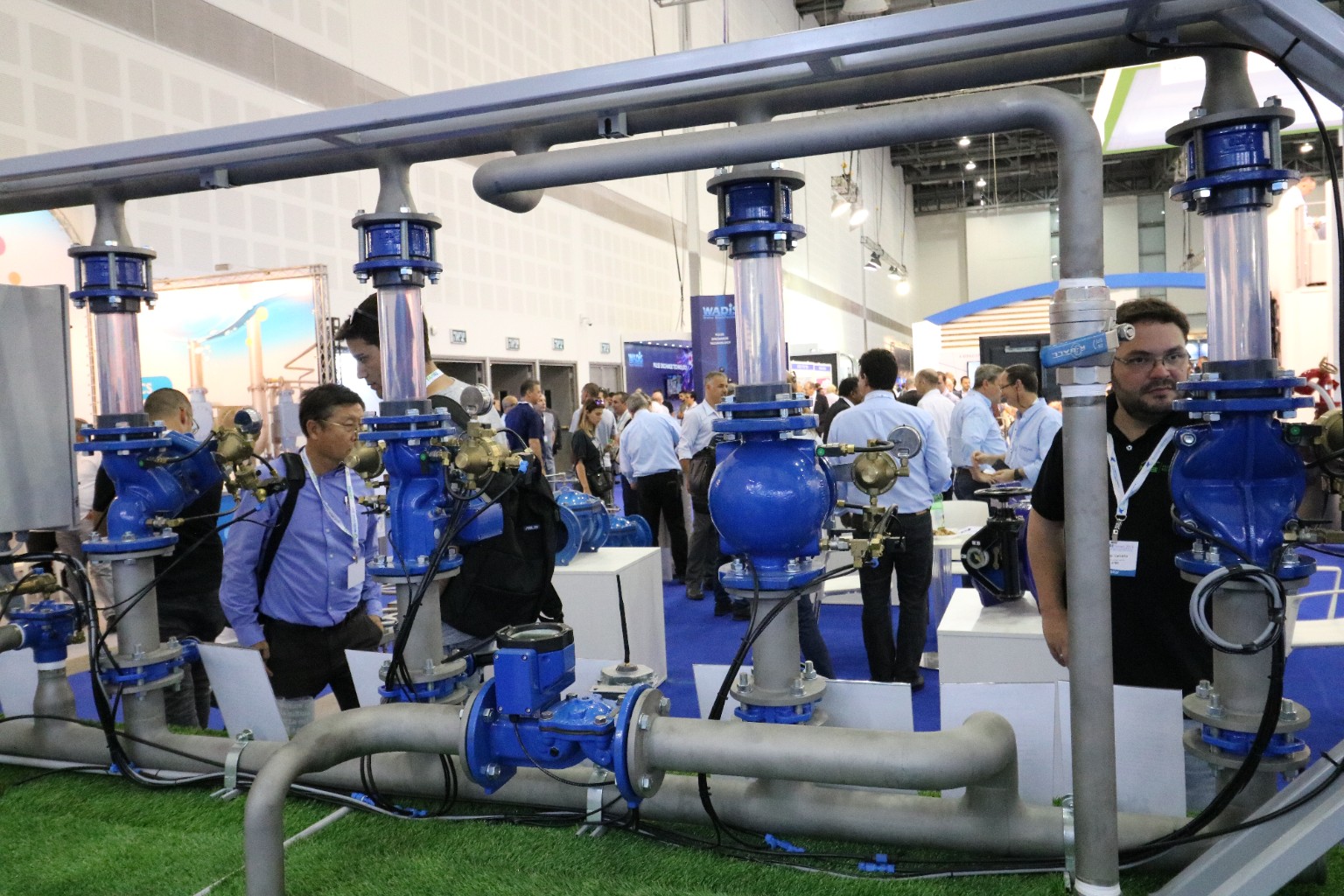
Water Recycling Can Cut Freshwater Demand but the Energy Balance Matters
Water recycling gives a town or factory another use for water it has already collected. Treated wastewater can supply irrigation, industrial processes and, with the appropriate treatment and oversight, drinking water. Each use can reduce demand for fresh supplies. The energy case needs a separate calculation: a recycling system consumes electricity, and its value depends partly on what source of water it replaces and how far the water must travel.
read more
CATL Keeps 2027 Solid-State Battery Target as QuantumScape Plans 100 MWh Line for 2028
CATL told investors on October 27 that it still expects small-batch production of all-solid-state batteries in 2027, with large-scale manufacturing around 2030. The reply went out on the Shenzhen Stock Exchange’s investor Q&A platform. Six days earlier QuantumScape said its first commercial-scale cell line would be sized at 100 MWh and start production in 2028.
So two of the most watched solid-state programs gave updates in the same week. Neither one brought a date forward.
read more
Sodium-Ion Batteries Move From Lab Promise to Grid Storage Orders
For a decade sodium-ion was the battery that would matter once lithium got expensive. In 2026 it picked up something it never had before: order books measured in gigawatt-hours. CATL signed a three-year deal in April to supply Beijing HyperStrong, one of the world’s five biggest storage integrators, with 60 GWh of sodium-ion cells. In the US, Peak Energy holds a phased agreement with Jupiter Power for up to 4.75 GWh between 2027 and 2030, and Alsym Energy has a 500 MWh deployment lined up with developer Juniper Energy, mostly in California.
read more
The AI Power Debate Starts at the Grid Connection
A data centre can secure land, announce a supply agreement and order computing equipment while still lacking the grid connection needed to operate at the intended scale. That gap makes local electricity infrastructure central to the AI power debate. National generation totals matter, but a project needs deliverable power at a particular place, with an acceptable connection date and a workable operating arrangement.
The International Energy Agency’s Electricity 2026 report places grid constraints and connection queues among the major issues facing expanding electricity systems.
read more
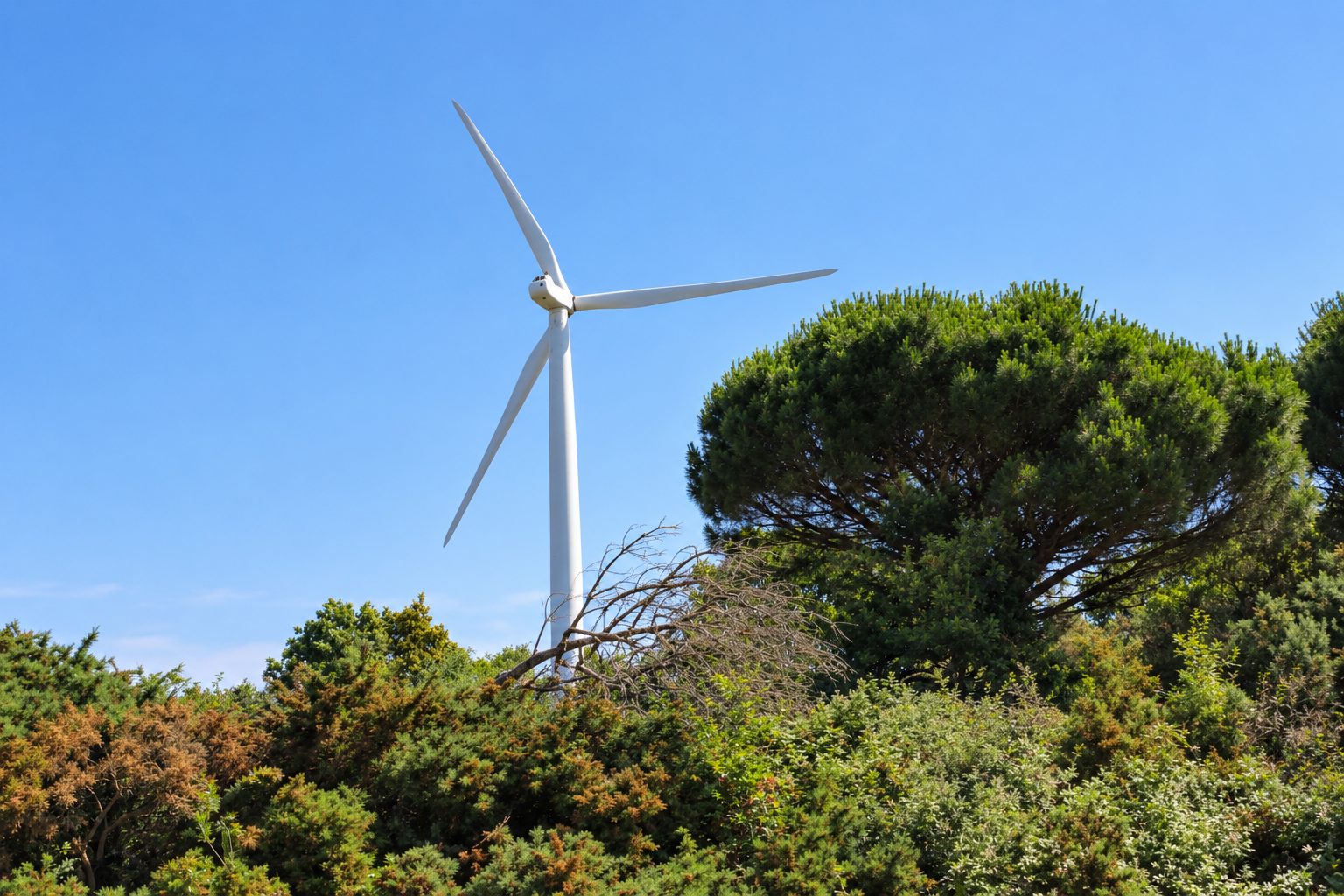
Why Trump Hates Wind Energy
Donald Trump’s hostility toward wind energy has become too persistent to explain as a disagreement over the price of electricity. He objects to the appearance of turbines, attacks their reliability and subsidies, and has used presidential power to restrict their development. His record supports an explanation that combines a personal property dispute, an energy agenda centered on fossil fuels, and the political usefulness of treating wind as a symbol of everything he dislikes about climate policy.
read more
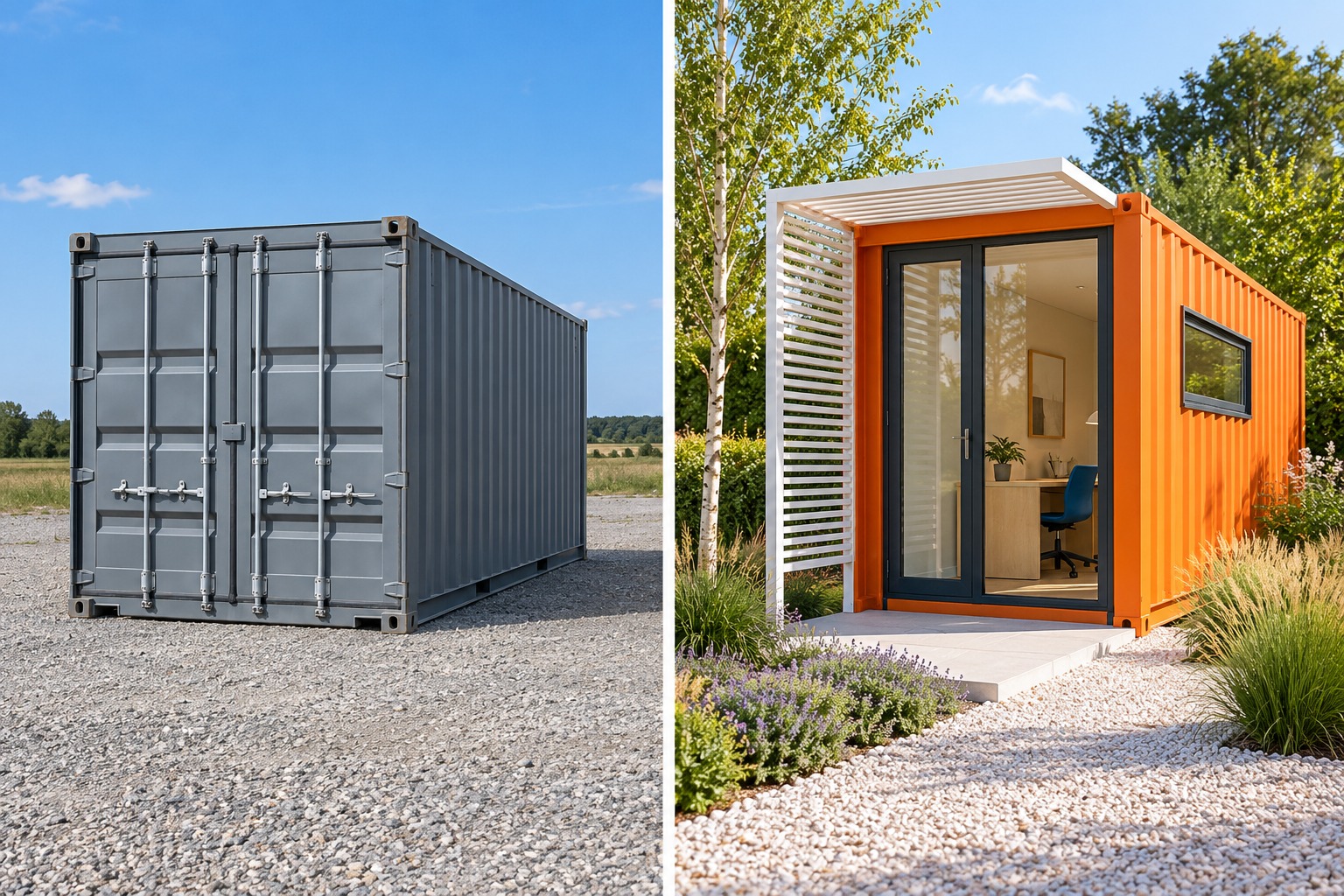
Refurbished Shipping Containers Are Only as Green as the Fit-Out Around Them
A 20-foot shipping container is about 2.2 tonnes of steel. A 40-foot one is closer to 3.7. Making that steel the conventional way, from iron ore in a blast furnace, releases roughly two tonnes of CO2 for every tonne produced. So a retired 20-footer holds something like four tonnes of carbon that has already been spent. Give the box a second job and you don’t spend it again.
That is the whole pitch for container buildings, and it holds up.
read more